

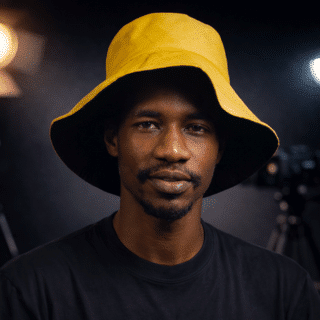
The Nigerian film industry, Nollywood, is one of the largest film industries in the world by volume. Every year, thousands of films are produced across the country, ranging from low-budget independent productions to cinema releases and streaming originals.
The recent breaking of box office records has brought more attention to the industry, and being a Nollywood actor, director, or producer is now a lucrative career and business.
But how exactly does a movie go from an idea in a writer’s notebook to a finished film on cinema screens, television, or streaming platforms?
In this guide, we’ll walk through the entire Nigerian film production process, from script to screen.
Feel free to let me know through the comment box at the end of this post if you have any questions or need further clarification. I would love to assist you.
Table of contents
How Film Production Works in Nigeria

Here is a step-by-step process of producing a Nollywood film;
- Story Development and Scriptwriting
- Financing and Budgeting
- Pre-Production
- Production (Filming)
- Post-Production
- Test Screenings and Final Adjustments
- Marketing and Promotion
- Distribution
1. Story Development and Scriptwriting
The first step of producing a great film is coming up with an excellent idea that will resonate with your target audience.
At first, you need to know the purpose your story would serve by determining if it is for entertainment, to encourage discussion about a particular issue or other reasons.
Developing a story idea could be done in different ways depending on the circumstances. Sometimes, the idea could be created by personal experience or trending topics.
There are instances where a script writer would pitch a script to the producer and get accepted for production.
The development stage involves:
- Creating a story concept
- Writing a treatment
- Developing characters
- Writing the screenplay
- Revising and polishing the script
Many producers hire scriptwriters or script editors to improve the story before production begins.
At this stage of film production, the producer must determine the genre of the film, the target audience, whether the story is commercially viable, and the estimated cost of production.
2. Financing and Budgeting
Budgeting and financing are the most difficult aspects of making a film in Nigeria, because a majority of the time, you would not get the required funding.
Recently, I had to slash the budget I gave a producer by more than 50% because he wanted some time that was cost-effective.
The implication is that I would have to work with little or no pay and pull in a lot of favours from cast and crew members.
The following are ways Nollywood films are being funded;
- Personal investment
- Private investors
- Corporate sponsorships
- NGOs and development organizations
- Film grants
- Production partnerships
The producer creates a budget covering:
| Production Area | Examples |
|---|---|
| Cast | Actors and extras |
| Crew | Director, cinematographer, sound |
| Equipment | Cameras, lighting, audio |
| Locations | Rentals and permits |
| Logistics | Transportation and catering |
| Post-Production | Editing and color grading |
| Marketing | Posters, trailers, promotions |
For many independent Nigerian films, budgets can range from ₦3 million to ₦30 million, while larger cinema productions may exceed ₦70 million.
3. Pre-Production
Pre-production is where the magic happens because the work and expertise put in here are what determine the success of the project.
The pre-production stage is where planning happens concerning every aspect of the project.
There are five stages of pre-production, which include;
- Casting: Selecting actors for the various roles.
- Location Scouting: Finding suitable filming locations.
- Crew Recruitment: Hiring the following professionals;
- Director
- Cinematographer
- Sound recordist
- Production manager
- Makeup artist
- Production assistants
- Scheduling: Creating shooting schedules and call sheets.
- Equipment Booking: Reserving cameras, lighting, sound gear, and other production equipment.
Good pre-production often determines whether a film runs smoothly or encounters expensive delays.
4. Production (Filming)
Production is the stage where the film is shot with the cast and crew at the specified locations.
During productions, all individuals involved will be present to carry out their duties for the movie to be captured.
Here is what happens during the production of the film;
- Actors perform scenes
- The cinematographer captures footage
- The director guides performances
- Sound is recorded
- The producer oversees logistics and budget
A typical Nollywood feature film may be shot within:
- 4-10 days for low-budget productions
- 10-25 days for mid-range productions
- Several weeks or months for larger projects
The production stage is often the most expensive part of filmmaking because of the logistics involved in catering for the needs of a large number of professionals on set.
5. Post-Production
Post-production is everything that is done after the film has been captured on camera on set to transform it into a finished work that people can see.
There are five (5) stages of post-production, which are;
- Video Editing: Assembling scenes into a complete story.
- Colour Grading: Enhancing the film’s visual appearance.
- Sound Design: Adding effects, ambience, and improving dialogue quality.
- Music: Creating or licensing music for the film.
- Visual Effects (VFX): Adding digital effects where required.
A film is not truly complete until post-production is finished.
6. Test Screenings and Final Adjustments
Some filmmakers organise private screenings to gather feedback before release.
This helps identify:
- Pacing issues
- Story confusion
- Audio problems
- Audience reactions
Based on feedback, final adjustments may be made.
I personally advise you to do a test screening before public release, as the feedback will help you release a better film to the public.
7. Marketing and Promotion
Even the best movie needs marketing for it to get to the target audience. There are a lot of great films that did not get discovered because of a poor marketing strategy.
My producers give marketing and promotion an afterthought after a film has been made.
From the pre-production stage, you should already be planning how to get your project to the target audience for it to be a successful film.
Promotional activities may include:
- Movie posters
- Trailers
- Social media campaigns
- Press interviews
- Influencer partnerships
- Premiere events
Successful marketing creates anticipation and drives viewership.
8. Distribution
The final step is getting the film to audiences through a distribution deal. The distributors have the responsibility of getting your project to the target audience through various platforms.
Distribution channels in Nigeria include:
- Cinema Release: Major cinema chains across Nigeria.
- Streaming Platforms: Popular options include:
- Netflix
- Amazon Prime Video
- Television
- Networks and satellite channels.
- YouTube: An increasingly popular distribution option for independent filmmakers.
- Film Festivals: Local and international festivals can help filmmakers gain recognition and attract future opportunities.
Conclusion
Film production in Nigeria is a structured process that moves from story development and financing to filming, post-production, marketing, and distribution.
While the journey from script to screen can be challenging, careful planning, the right team, and a clear production strategy can significantly increase your chances of success.
Whether you’re producing your first short film, developing a Nollywood feature, or creating content for a streaming platform, understanding each stage of the production process will help you make better creative and business decisions.
At Arraya Studios, we work with filmmakers, brands, organisations, and content creators to bring stories to life through professional production, cinematography, editing, and post-production services.
If you’re planning a film project and need guidance on the next steps, we’re always happy to have a conversation about your vision and how to bring it to the screen.
Get a Free Quote or Book a Consultation with Arraya Studios to discuss your next film project.

Thank you
You’re welcome. Let us know if you have any questions or need further clarification.